
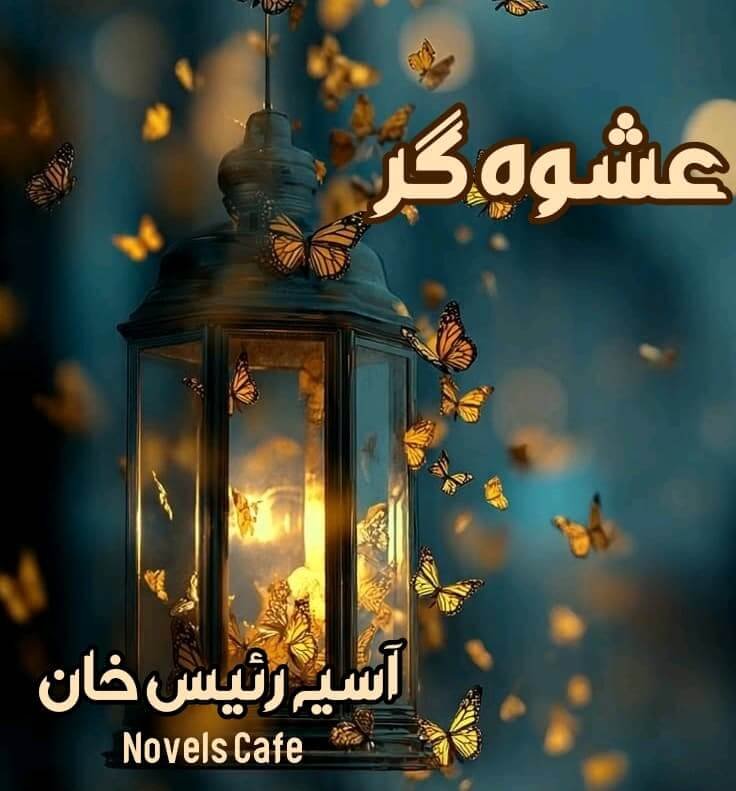
Ashwah Gar: A Novel About the Home That Opens Its Door
Some stories begin with a love affair. Ashwah Gar begins with a rift. Before any romance takes shape, Asia Raees Khan places her heroine, Sariya, in the aftermath of a family estrangement, and that choice shapes the whole novel. It was published in Shuaa Digest in August 2024. At fifty pages it is a complete novel, and the tenderness at its centre is easy to feel even from a summary.
A Rift Before the Romance
Sariya’s story starts with a marriage her parents arranged according to their own wishes. Afterwards, the bond between her and her parents broke. The novel treats this as the emotional foundation of her life, not as background detail.
Urdu family fiction often shows parental authority and a daughter’s circumstances as a clash that someone must win. Here the focus falls on what such a break leaves behind: the silence, the distance, and the sense of being unwelcome in the one place that should always be home. A reader meeting Sariya for the first time is invited to see her as a daughter whose family has turned away, not simply as a heroine in search of a hero.
When Time Runs Out
The novel then takes a cruel turn. Sariya’s parents die in an accident, and the possibility of repairing what was broken disappears with them. Whatever might have been said, forgiven or explained can no longer happen.
This matters because the loss is more than a sad event. It leaves grief tangled up with the unresolved estrangement. Sariya and her elder sister are left without parents, and their lives, as the novel puts it, change completely. The elder sister’s presence matters here. The two girls are not facing the world alone, and having each other gives the early chapters a quiet steadiness before the larger trials arrive.
Dadhiyal and the Weight of Unkindness
After the accident, the sisters face difficulties and injustices in Dadhiyal. The summary gives no specifics, and it would be dishonest to invent any. What it makes clear is the emotional shape of the experience: two bereaved young women in a place where they are treated unfairly at the very moment they most need gentleness.
This is a familiar fear in family stories, and a real one, that the people closest to you in blood may not be the ones who protect you. Dadhiyal stands in the novel as the opposite of shelter, which makes the next turn feel earned.
The Aunt Who Says Yes
Sariya’s aunt takes both sisters into her home and gives them affection and support. The novel hangs on this one decision. She does not simply provide a roof. The sisters receive care, and with it something they had lost: a place where they are wanted.
Many novels treat rescue as a plot device. Ashwah Gar seems to treat it as an emotional turning point. The aunt’s household offers the sisters what the title suggests, a place to rest, to be steadied, and to begin again. The aunt herself is a quiet but vital figure, the person whose generosity makes everything that follows possible.
A House With Many Voices
Her household is not a silent, solemn refuge. Three daughters of Sariya’s uncle are also staying in the aunt’s home to pursue their education, and their presence fills the house with activity and warmth. The summary describes the atmosphere as lively and engaging, and that detail deserves attention.
Grief-stricken characters need more than kindness. They need ordinary life going on around them. A house with students, companionship and daily noise lets the sisters belong without being treated as objects of pity. Family stories that place their characters in a busy home often work better than those that isolate them, because belonging is learned in everyday company, not in dramatic gestures.
Sariya: Gentleness Under Strain
Sariya is described as innocent, gentle and good, qualities that could easily become flat on the page. Within this story, though, they gain meaning from her circumstances. She has been cut off from her parents, orphaned, and subjected to injustice, and she remains someone who can accept care and respond to it with sincerity.
It is worth noting what the novel does not claim. We are not told that she is fierce or defiant, or that she conceals secret strength. Her appeal lies in her openness. For readers who enjoy gentle protagonists, her journey from rejection to acceptance is the quiet engine of the book.
Saib and the Slow Work of Friendship
Saib is the son of Sariya’s aunt, and so he is part of the household that takes her in. The relationship between them begins as friendship, and the summary highlights the beauty of that friendship, along with their mutual love and respect.
This order is significant. In a story where Sariya has already lost the sense of safety, a bond rooted in friendship and respect feels fitting. It suggests that affection grows from being treated well and being seen. Beyond this, the summary keeps the details of how their story progresses a secret, and it is better to leave them that way. Readers will want to discover for themselves how the romance unfolds.
Adoption, Affection and the Meaning of Belonging
The novel brings together several themes that point in one direction: adoption, domestic relationships, affection and respect. The summary does not describe the specifics of any adoption, and speculating would only add confusion. What can be said is that the theme reinforces the novel’s central idea. Family, in this telling, is as much a matter of acceptance and care as of blood.
That idea is gentle but powerful. Sariya’s parents turned away from her, and her relatives in Dadhiyal were unjust, yet a household that chose to welcome her became the real family. The novel does not need to argue the point. It simply shows it.
Life After the Vows
Ashwah Gar is also described as an after-marriage novel, and that gives the story another layer. Marriage here is not treated as the finish line. The story continues into married life, where the trust, understanding and respect built earlier are tested in the daily rhythm of living together.
For readers of Urdu romantic social novels, this is a welcome choice. Many stories end at the wedding. This one explores what comes after, and it ends, as the summary promises, on a sweet and happy note.
Who Will Enjoy This Novel
Ashwah Gar by Asia Raees Khan suits readers who like family-centred Urdu fiction with emotional depth. If you enjoy stories about orphaned siblings finding shelter, friendship that grows into love, or a household full of voices and kindness, this novel fits that taste. At fifty pages in an online PDF, it is also a manageable read for an afternoon or an evening.
Where the Door Finally Opens
The title Ashwah Gar carries the sense of someone who soothes and comforts, and the novel gives that word a human face. It begins with a daughter shut out of her family and ends with a home that welcomes her in. Between those two points lies a story about loss, unfairness, and the people who choose to do right by others. That may be why this short novel lingers: it reminds readers that belonging is sometimes given by those who simply decide to open their door.