
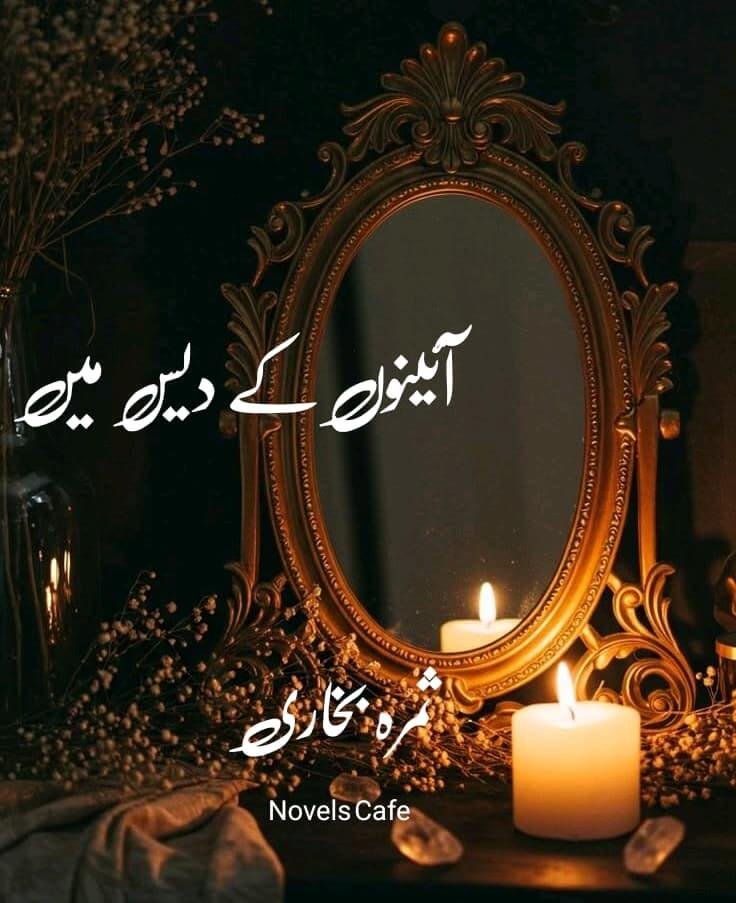
When the Heart Keeps Its Questions to Itself: Samra Bukhari’s Aaiyeno K Dais Mai
Some stories are loud about love. Others are quiet to the point of aching, and Aaiyeno K Dais Mai by Samra Bukhari belongs to the second kind. First published in Shuaa Digest in February 2000, this Urdu novel does not rely on grand declarations. It lives in the space between what a person feels and what she dares to say, and its heroine, Madama, is someone who has learned to keep almost everything inside.
A House Where Silence Has Weight
Madama grows up under the authority of a strict father. His rigid temperament shapes the whole household, and the atmosphere at home stays serious and emotionally heavy. The novel does not need to dramatize this. The effect shows in Madama herself.
She is soft-hearted, yet she struggles to believe in herself. Readers who know Urdu digest fiction will recognize how truthfully this is drawn. A child raised where approval is scarce and discipline is constant rarely learns to trust her own judgment. Madama’s gentleness is real, but it sits beside a deep hesitation. She does not assume her feelings matter, so she hardly expresses them.
This is the foundation of the whole novel. Her self-doubt is not a flaw added for drama. It is the lens through which she sees every relationship that follows.
A Quiet Yes to a Journey She Did Not Want
When Madama is sent to her aunt’s house in another city to continue her education, she does not want to go. She accepts the decision without protest. That small detail says a great deal about her. She does not rebel or bargain, and she leaves with her reluctance unspoken.
Education usually signals opportunity in fiction, but here the move reads as something more ambiguous. A new home in a new city is a chance to breathe outside her father’s shadow, and it is also a step into unfamiliar emotional ground. Without the routines she knows, however heavy they were, Madama has more room to notice her own feelings. For a girl who has never trusted them, that room is both a gift and a risk.
Tabrez, and the Engagement That Predates Understanding
Madama has been engaged to her cousin Tabrez since childhood. An arrangement made before either person could shape it creates a particular kind of tension. The bond exists, but its emotional meaning has never been tested. Does affection live inside it, or only expectation?
Tabrez visits the house often, and he moves through it with ease. Madama, meanwhile, finds herself restless when she sees him interacting comfortably with her married cousin. The novel does not turn this into melodrama. What it captures is smaller and more human: the sting of watching someone be relaxed with another person when you cannot be relaxed with him yourself.
Because Madama already doubts her own worth, ordinary friendliness between others takes on larger meaning in her mind. The author lets that discomfort build through glances and silences rather than accusations.
Questions in the Heart, Nothing on the Lips
The emotional core of the novel is a gap between feeling and speech. Madama has doubts, but she does not voice them. She has questions, but she does not ask them. The pain is real, yet it stays hidden behind a calm surface.
This is where the novel says something worth noticing about misunderstanding. Most unhappiness between people begins less with cruelty than with unasked questions. When a person cannot say “does this matter to you?” or “what am I to you?”, she fills the silence with her own worst guesses. Madama’s insecurity turns uncertainty into suspicion, though she never accuses anyone. The suffering is internal, and that is precisely why it feels so authentic.
The novel also suggests how closely self-belief and trust are linked. To trust another person fully, one must first believe that one deserves to be chosen. Madama’s struggle is therefore twofold. She has to understand Tabrez, and she has to understand her own place in his life. That second task is far harder.
Why Mirrors Matter
The title points toward mirrors, and the image fits the story’s central concern. In relationships, we constantly see ourselves reflected in other people’s behavior, and the reflection is not always accurate. Madama reads Tabrez’s ease with her cousin as a verdict on herself. Whether that reflection is true or distorted is the quiet question the story keeps open.
The novel’s treatment of love matches this image. Love here is fragile, easily clouded by confusion, and dependent on honesty more than on gestures. The author handles the delicacy of feeling and the tangle of relationships with a gentle hand, without exaggeration. Nobody in the story is a cartoon villain. The difficulty comes from emotions that are misread and words that are never spoken.
A Reading Experience Worth Its Warmth
Aaiyeno K Dais Mai is a readable, emotionally sincere story, and its pleasures are modest in the best sense. It does not rely on shocking turns. It asks the reader to sit with a sensitive young woman, to understand why she hesitates, and to hope she will eventually find her footing. For readers who enjoy the introspective strand of Urdu digest fiction, where feeling matters more than spectacle, that is a satisfying invitation.
Digest novels of this era often shine in their small observations: how a household mood shapes a child, how one glimpse can unsettle a heart. Samra Bukhari’s story fits that tradition. Its strength lies in recognizable emotional truths rather than elaborate plotting.
Where the Reflections Finally Settle
The story closes on a happy note, and it feels earned by the emotional journey that precedes it. After so much unspoken worry, a gentle resolution comes as real relief. It affirms what the novel has quietly argued all along: that trust grows where honesty is possible, and that a person who struggles to believe in herself can still be worthy of love.
Long after the details fade, what stays with the reader is Madama’s silence, and the hope that someone will finally understand it. For anyone searching for a warm, thoughtful Urdu novel from Shuaa Digest’s February 2000 issue, Aaiyeno K Dais Mai offers a tender reminder that the most important conversations are often the ones we are afraid to begin.
Novel Review in Urdu
ناول کا نام: آئینوں کے دیس میں
مصنفہ: ثمرہ بخاری
اشاعت: شعاع ڈائجسٹ، فروری 2000
یہ کہانی مادما کے گرد گھومتی ہے 🌸
ایک ایسی لڑکی جو اپنے والد کی سختی کے سائے میں پلی بڑھی ہوتی ہے، اسی لیے گھر کا ماحول ہمیشہ سنجیدہ اور بوجھل سا رہتا ہے 😔
مادما دل کی نرم مگر حوصلے میں کمزور ہے، خود پر یقین کرنا اس کے لیے سب سے مشکل کام ہے 💭
تعلیم کو آگے بڑھانے کے لیے اسے دوسرے شہر پھوپھو کے گھر بھیج دیا جاتا ہے 🏠✈️
وہ جانا نہیں چاہتی، مگر خاموشی سے قسمت کا فیصلہ مان لیتی ہے 🥺
بچپن سے ہی اس کی منگنی اپنے کزن تبریز سے طے ہوتی ہے 💍😍
تبریز کا وہاں آنا جانا رہتا ہے، اور مادما اسے اپنی شادی شدہ کزن کے ساتھ گھلتے ملتے دیکھ کر بےچین ہو جاتی ہے 💔
دل میں سوال، آنکھوں میں خاموش شک اور لبوں پر کوئی شکوہ نہیں ہوتا 😟
یہ ناول اعتماد، خاموش محبت اور دل کے آئینوں کو جوڑنے کی کہانی ہے 🌹
احساسات کی نزاکت اور رشتوں کی الجھن کو خوبصورتی سے بیان کیا گیا ہے 💕
✨ ہیپی اینڈنگ ✨
💙💛💏
دل کو چھو لینے والی، پڑھنے کے قابل کہانی 📖💖