
Khwateen Digest May 2004: A Reader’s Guide to the Issue
Why Old Digests Still Matter
There is something special about holding a magazine that is more than twenty years old. The paper has softened, the cover has faded, and yet the stories inside still feel alive. The May 2004 issue of Khwateen Digest is one of those copies. It belongs to an era when families in Pakistan waited for the new month’s digest the way people today wait for the next episode of a favorite show.
This guide explains what the magazine stood for, what readers usually found inside an issue like this one, and why it is still worth searching for today.
What Khwateen Digest Is
Khwateen Digest is a monthly Urdu magazine published in Karachi and written mainly with women readers in mind. Unlike a newspaper or a news weekly, a digest is meant to be kept, reread and passed around. Many homes had a stack of them in a cupboard, sorted by month and year.
The Pull of Serialized Fiction
Ask anyone who grew up reading digests what they remember, and the answer is almost always the same: the long novel that ran from month to month. Serialization created a special kind of reading habit. Writers knew this and built their chapters around it, ending on a quiet shock, an unanswered question or a decision that could not be undone.
These were perfect for a lunch break, a train ride or the last quiet hour of the evening.
What You Can Expect in the May 2004 Issue
An issue of this kind typically blends several types of writing:
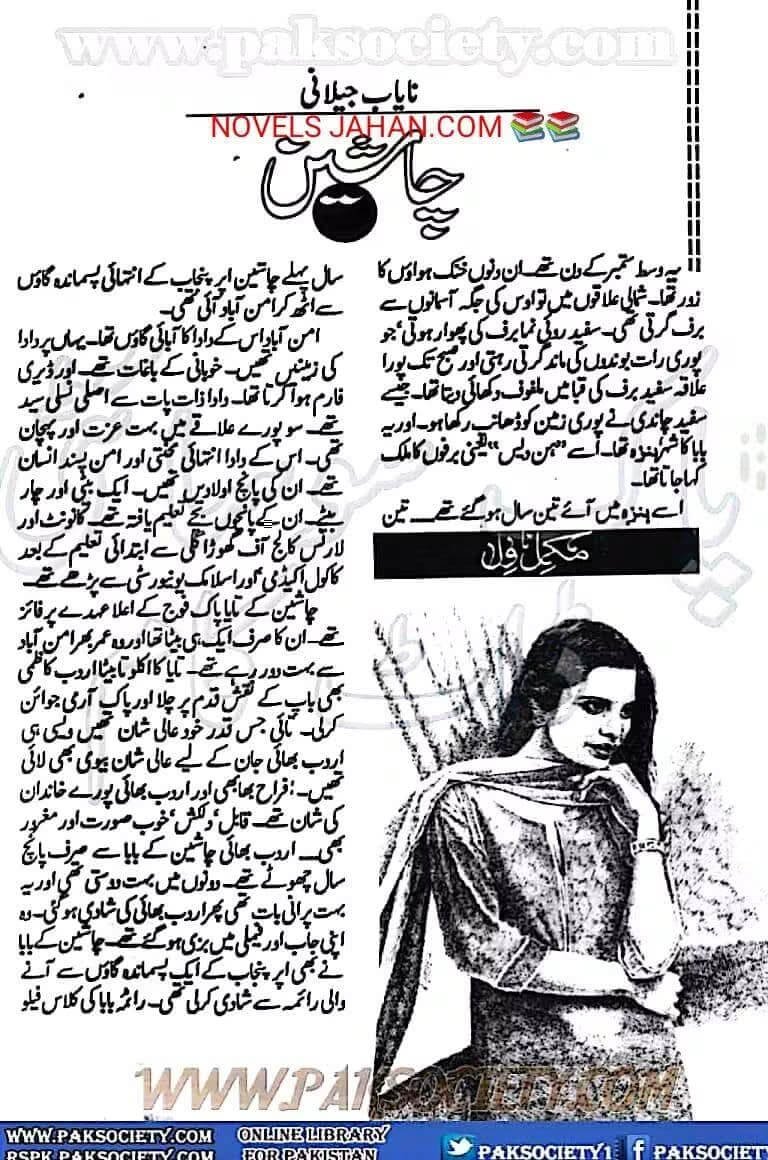
- A continuing novel that moves the story forward by one instalment
A complete story or novelette that begins and ends within the same issue
Several short pieces by different writers
Poetry, including verse in the traditional forms Urdu readers love
If you own this issue or have its index in front of you, add the exact titles and writer names here. Even a two-line note about the mood of each story, written in your own words, will make this page more useful to the people who land on it.
A Window Into the Early 2000s
The conversations between characters, the way families are portrayed, the worries about marriage, education and respect, all of it reflects what readers of that time cared about. Popular fiction often moved between the printed page and the small screen, so the stories in a digest sometimes found a second life as dramas.
For a student of Urdu literature or popular culture, this makes older issues quietly valuable. They show how storytelling adapted to a monthly rhythm, and how a mass audience shaped the kind of fiction that got written.
A Simple Way to Read an Older Issue
If you are new to digests, here is a comfortable way to approach one:
Begin with the serialized novel, because it sets the emotional tone of the whole issue.
Pick one short story that suits your mood, light or serious.
Take a break with the poetry pages.
Finish with the regular features, which give the issue its everyday, homely character.
Who Will Enjoy This Issue
This issue is a good fit for long-time readers who want to revisit a familiar format, for collectors building a run of vintage Urdu magazines, for students of Urdu fiction and for anyone curious about how reading culture looked before the internet took over. It is also a gentle introduction for younger readers who have heard their mothers and aunts talk about digests but never held one.
Looking After Old Magazines
Issues from the early 2000s were printed on paper that ages quickly. If you have a copy, a few habits will help it last. Keep it upright or flat, not squeezed under heavier books. Turn the pages gently, since the spine may be brittle. If a particular story is precious to you, photograph or scan it, so the words survive even if the paper does not.
Final Thoughts
The May 2004 issue of Khwateen Digest is more than a back number. It captures the habits, tastes and emotions of readers at a particular moment, and it still delivers the simple pleasure of a well-told story. Whether you are chasing a half-remembered novel, completing a collection or exploring Urdu digests for the first time, this issue is a rewarding place to begin.