
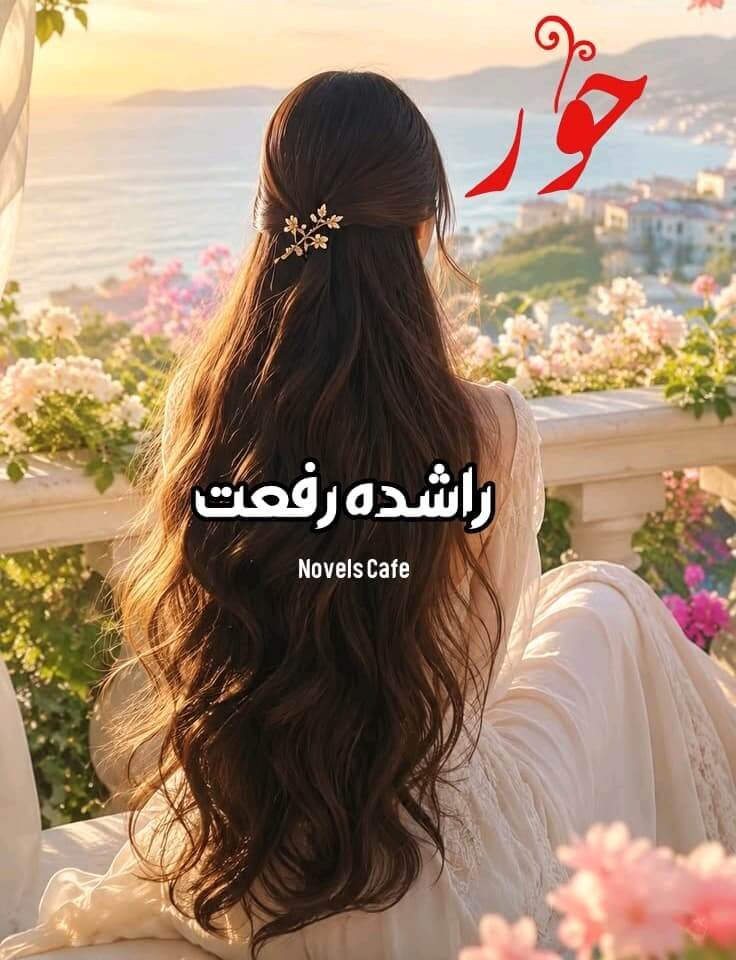
A Doctor Who Had Given Up on Marriage: Inside Rashida Riffat’s Hoor
Some romances open with a spark. Hoor opens with a man who has quietly decided he is done with the idea of marriage. Rashida Riffat’s story, published in Khwateen Digest’s January 2019 issue, is a complete romantic tale built on a question many readers of Urdu digest fiction enjoy: what happens when two people begin a life together before they have any real feelings for each other?
For readers searching for an Urdu romantic novel with warmth, humour and a family-centred setting, Hoor is a fitting example of the after-marriage love story.
A Hero Who Has Closed the Door
Moaz is a doctor, a profession that suggests steadiness, but the story shows him as someone carrying unresolved disappointment. He once cared for a girl, and her father did not accept the relationship. The story leaves the details of that episode alone, and so will this article. What matters is its effect: Moaz comes away disillusioned and unwilling to think about marriage again.
That starting point separates Hoor from stories where the hero is eager and only circumstance stands in the way. Here the obstacle is internal. Moaz’s reluctance is a settled attitude, and the story’s task is to see whether it can soften.
A Quiet House and a Distant Father
The family situation adds weight to his hesitation. Moaz’s mother has passed away, and his relationship with his father is cold. The household has lost its centre, and nobody seems to be rebuilding it.
This is where the story’s practical side enters. The family needs a sensible, dignified daughter-in-law who can take responsibility for the household. In this setup, marriage is a family need before it is a romantic prospect. That is a familiar premise in family-based Urdu romance, and it gives the story a believable reason for a reluctant man to reconsider.
The Proposal That Went Somewhere Else
The turn comes at a wedding in Moaz’s village. There he notices a simple, quiet and attractive girl, likes her, and sends a proposal through her father. For a man who had sworn off the subject, this is a notable change of heart, and the story lets it happen without much fuss.
Then comes the twist. When the father returns, he explains that the girl Moaz had in mind was very young. He has instead arranged the match with another suitable girl.
It is a neat piece of plotting because it removes the usual comfort of an arranged marriage Urdu novel. Moaz does not get the person he noticed, and he does not get a stranger chosen purely by his family either. He gets something in between: a marriage that grew out of his own wish but landed somewhere unexpected. The misunderstanding sits at the base of the story, and it gives the early chapters their slightly comic, slightly awkward energy without turning them into melodrama.
Strangers Under One Roof
Once the wedding takes place, the story shifts to what it is really about. The early phase of the marriage is marked by misunderstandings, emotional distance and clashes of ego. Neither person arrives with affection, and both have to work out how to share a home.
Riffat’s premise suits this stage well. The friction here is not the result of villains or dramatic interference. It comes from two people who do not yet know how to read each other, and from pride that makes it harder to take the first step. For readers who like the slow-burn side of romance, this is the most relatable stretch of the story.
How Distance Becomes Closeness
The real appeal of Hoor lies in how the gap closes. The distance between the couple reduces gradually, and sincerity begins to enter the relationship. Nothing in the summary points to a single grand gesture. The change comes through patience, trust and the slow accumulation of understanding.
That is why the after-marriage love story remains so durable in Urdu digest fiction. Courtship stories rely on anticipation. Stories like Hoor rely on familiarity: the small recognitions that turn a shared address into a shared life. Readers who prefer emotional growth to dramatic confession will find this a satisfying shape.
It also suits Moaz specifically. A man who has been hurt by one rejected relationship is not won over by speeches. He is won over by a relationship that proves steady, which is exactly the kind of progress the story traces.
Humour as a Counterweight
For all its emotional themes, Hoor is described as light-hearted, and that balance matters. A story about a disillusioned hero, a lost mother and a strained father could easily turn heavy. Instead, the humour that runs through the misunderstanding, and through the awkward early days of the marriage, keeps the tone approachable.
This mix of seriousness and gentle comedy is a hallmark of the best family romances in monthly digests. It lets the story acknowledge real feelings, such as disappointment and distance, without lingering in sadness. Readers looking for something warm rather than wrenching will appreciate that choice.
Where Hoor Sits Among Digest Romances
Within the landscape of Rashida Riffat novel titles and Khwateen Digest fiction more broadly, Hoor works as a compact, self-contained read. It is a complete story, not a serial, and its structure is easy to follow: hesitation, an unexpected proposal, an unfamiliar marriage and gradual acceptance.
It will suit readers who enjoy:
- Romances that begin after the wedding rather than before it
Heroes who start out guarded and learn to open up
Family settings where household responsibility and personal feeling overlap- Stories that stay gentle in tone and end happily
Readers who want high-stakes drama or elaborate plot twists may find it quieter than they expect. Its strength is in its emotional logic, not its spectacle.
From Closed Heart to Open Home
What stays with a reader after Hoor is the shape of Moaz’s journey. He begins as a man who has decided that marriage is not for him, and who agrees to it mainly because his family needs someone to run the house. He ends by finding that the peace and happiness he had stopped looking for were waiting in the very relationship he had entered reluctantly.
That reversal is the story’s quiet argument: love does not always arrive before commitment, and sometimes it is the commitment that makes room for love. In a genre that often celebrates the dramatic first meeting, Hoor celebrates the less glamorous but equally real process of two people learning each other, one misunderstanding at a time. Its happy ending feels earned because the story has spent its pages letting the distance close slowly.