
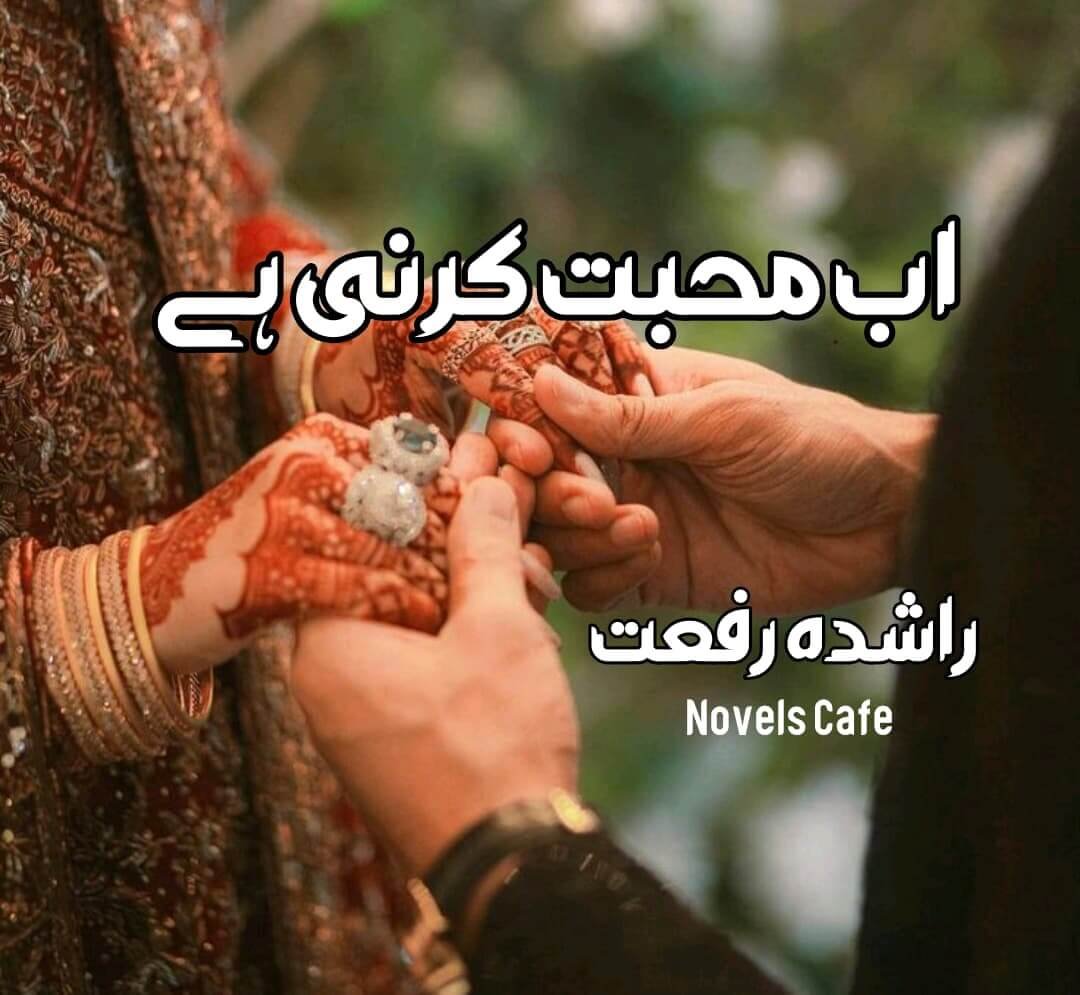
Rediscovering a Khawateen Digest Classic: An Introduction
Some digest stories fade the moment the next issue hits the stands. Others keep circulating — photocopied, scanned, uploaded, passed between readers who swear the ending is worth the wait. Ab Mohabbat Karni Hai belongs firmly to the second category, and the fact that readers are still hunting for it today says more about its construction than any blurb could.
Originally serialized in the December 2011 issue of Khawateen Digest, the story arrived during a period when the magazine’s romantic fiction was at its most confident. Rashida Riffat had already built a reputation for social and romantic narratives that felt lived-in rather than invented — stories where the household arguments sounded like arguments you had actually overheard, and where love developed on a timeline that respected the reader’s intelligence.
What anchors this particular novel is the hero-boss dynamic: a sharp-tongued employer, a composed young woman on his payroll, and the slow collapse of professional distance between them. The Ab Mohabbat Karni Hai novel by Rashida Riffat takes a familiar setup and refuses to let it stay familiar, which is precisely why a short, tightly paced story from 2011 still finds new readers.
A Detailed Plot Summary
Novel: Ab Mohabbat krni hai
Writer: Rashida Riffat
Published in: Khwateen Digest December 2011
Status: Complete Novel
Pages:41
Genre:Hero Boss based| Love Story 💕 Family Based
File Format: Pdf (Online)
💼 Hero Boss Based is a beautiful and interesting family story, ♥️
Hadi’s mother is no longer in his life, she has passed away 💔. His lighthearted banter and interesting conversations with his father create beautiful humor in the story 😄.
Sonia is the daughter of Hadi’s father’s friend 🌸. She comes to Hadi’s office for a job, where the story progresses towards a beautiful relationship with the meeting of the two of them 🥰. Even after the engagement, many lovely colors of love can be seen between them 💍❤️.
On the other hand, Maham Hamdani also does an amateur job in Hadi’s office. She starts liking Hadi 💕, but Hadi is not interested in her feelings. Maham tries to create misunderstandings between Hadi and Sonia 😕, which creates more interest in the story.
What happens next? Will Maham succeed in her efforts? And what will be the end of Hadi and Sonia’s relationship? 💭
To know this, you must read the novel 📖🌹
🌷 A sweet story filled with love, relationships, lighthearted banter and misunderstandings, with a happy ending ♥️👩❤️💋👨
Hadi and Sonia: Analyzing the Lead Protagonists
Hadi: The Rude Boss With a Household
Hadi arrives fully formed in the “rude boss” mold — brusque, exacting, allergic to explanation. What rescues him from caricature is the household he goes home to. His scenes with his father operate on a completely different frequency: the nok-jhok between them is affectionate, needling, and frequently funny, with the older man landing observations his son cannot deflect. Watching a man who intimidates an entire office get comprehensively outmaneuvered at his own dining table does more for his likability than any grand romantic gesture would. The father functions as both comic relief and moral mirror, and the novel is noticeably warmer whenever he is on the page.
Sonia: Composure as Character
Sonia is modern in circumstance and traditional in instinct — she works, she holds her ground, and she still measures her decisions against what her family would accept. Riffat resists making her either a rebel or a doormat. Compared with the dutiful-daughter figures who populate much of the author’s wider bibliography, Sonia has more room to choose. Her obedience, where it appears, is a decision rather than a default, and that single adjustment carries the entire romance.
Conflict and Interference: The Role of Maham Hamdani
Every digest romance needs pressure, and Ab Mohabbat Karni Hai finds its pressure in Maham Hamdani rather than in a disapproving patriarch or a convenient illness. Maham is the story’s external antagonist, and her interference is social rather than structural — she cannot forbid anything, so she corrodes instead.
Superficial attraction as motive. Maham’s interest in Hadi has little to do with who he is. She wants the position, the status, and the image of being chosen by him, which makes her persistence feel entitled rather than tragic.
Jealousy aimed at Sunia specifically. The hostility sharpens once Sunia stops being an employee and starts being a fiancée. Maham targets the one thing she cannot imitate: Sunia’s ease with both Hadi and his father.
Manufactured misunderstandings after the engagement. Rather than confronting the couple, Maham works through implication — half-truths, timed appearances, conversations arranged to be overheard. The damage is cumulative.
Doubt planted where trust is newest. The engagement is recent, and Maham exploits exactly that fragility.
The misunderstanding trope usually collapses under its own silliness. Here it holds because the characters behave consistently — Hadi’s reticence and Sonia’s pride are established long before Maham weaponizes them, so the confusion grows from personality rather than plot convenience.
Key Takeaways for Readers
For readers deciding whether this one belongs on their list, the essentials come down to four points.
It is a defining boss-employee romance of the 2011 digest era. Set almost entirely in a workplace, the novel trades the domestic interiors of typical Urdu fiction for office hierarchy, making it one of the more distinctive Urdu office romance novels of its period.
The father-son relationship is a genuine second storyline, not decoration. Hadi’s exchanges with his father supply the book’s humor and its emotional grounding, and they are the primary reason a difficult hero becomes a sympathetic one.
Maham Hamdani turns professional jealousy into the central conflict. Rather than relying on family opposition, Riffat builds obstruction from a rival’s social manipulation after the engagement — a sharper and more contemporary source of tension.
It is a strong recommendation for readers tired of cousin-marriage plots. The relationship forms through working proximity and earned respect rather than arranged obligation, which is why ab mohabbat karni hai by rashida riffat continues to be passed along as a counterexample to the genre’s most repeated formula.
How to Read Ab Mohabbat Karni Hai in 2026
Tracking down a digest serial from more than a decade ago used to mean scouring secondhand stalls or hoping someone in the family had kept their old issues. That search is considerably simpler now. NovelsCafe maintains a curated home for Urdu romantic and social fiction, and Rashida Rafat’s catalog is collected there in one place rather than scattered across unreliable file hosts.
The platform is built around how readers actually browse. You can move by author when you have finished one novel and want the next in the same voice, or by genre when the mood matters more than the byline. For anyone who has just closed Ab Mohabbat Karni Hai and is not ready to leave this world, Mohabbaton Ka Hunar makes a natural follow-up — a chance to see how the author handles comparable emotional terrain in a different register.
Explore the complete Rashida Rafat collection on NovelsCafe and read the full text at your own pace, chapter by chapter. Thousands of readers are rediscovering digest-era fiction this way, and there is room for one more at the table.