
A Wedding Omar Would Happily Have Skipped
Imagine being dragged to a family wedding while a crucial football match plays out without you. That is Omar’s situation at the start of Mohabbat Humsafar Meri, and it is a wonderfully ordinary way to begin a story that turns extraordinary within pages.
Omar doesn’t want to go. His mother insists, and he gives in the way sons often do, with a sigh and a glance back at the match he is leaving. The bride is Durr e Shawar, a second cousin. At this point he is simply a guest, and a grumpy one.
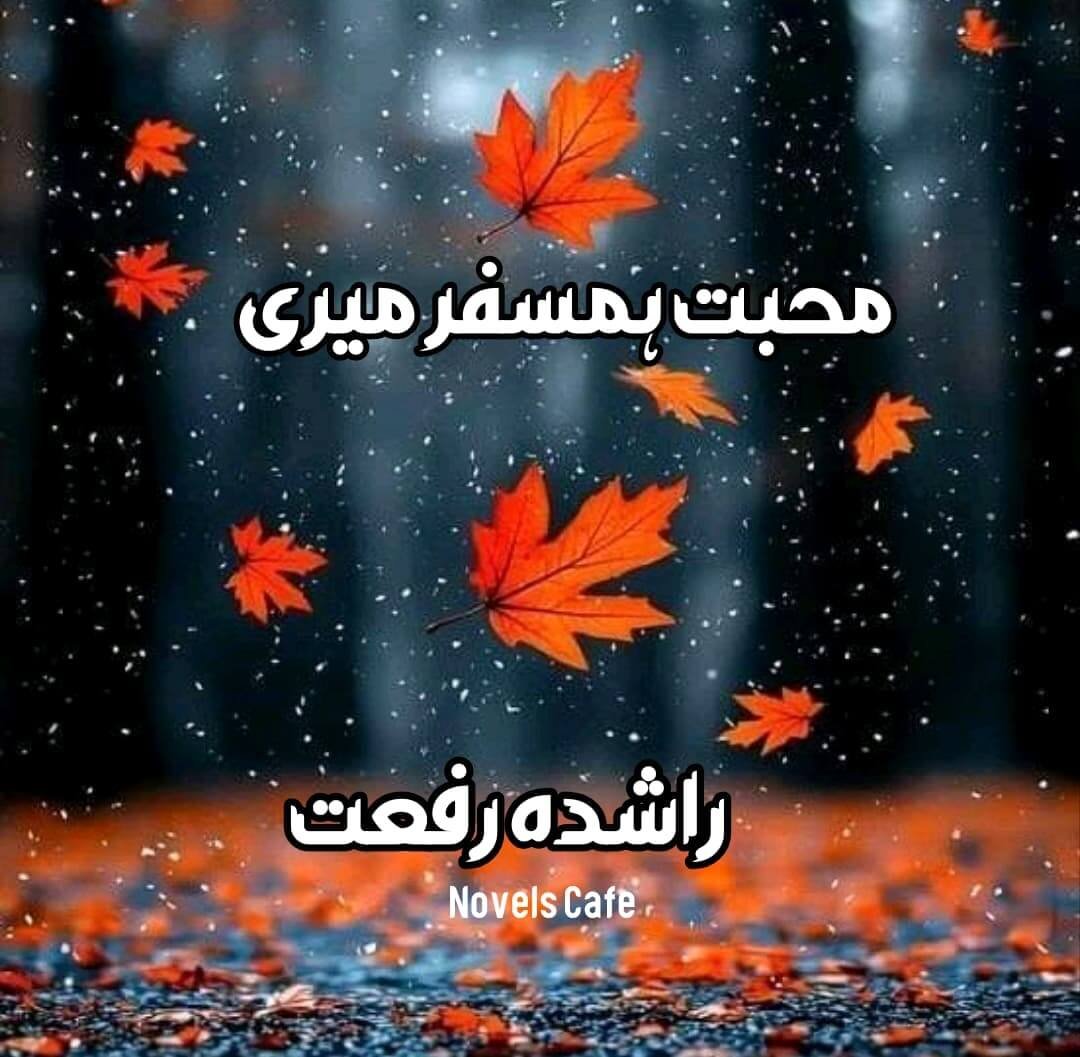
This Mohabbat Humsafar Meri novel by Rashida Riffat, published in Khwateen Digest in June 2010, runs 44 pages. It doesn’t waste them. The story is on its feet almost at once, and the football detail is more than a joke. It tells us who Omar is before the plot starts testing him.
The Celebration That Falls Apart
The wedding does not go ahead. The groom turns out to be already married, the arrangement is called off, and a house full of guests is left in the kind of silence only a family disaster can produce.
The novel handles this moment through its premise rather than through melodrama. The situation is serious for Durr e Shawar’s family, yet the story keeps its warm, light tone. That balance is the heart of the book. We feel the embarrassment of the moment without the novel ever turning bleak.
Amma Steps In
At the point of crisis, Omar’s mother proposes that Omar marry Durr e Shawar instead.
Her suggestion is the hinge of the whole story. The man who wanted to be at home watching football is now being asked to rescue a family’s honour on the spot. Omar is not delighted, and the novel doesn’t pretend he is. But Amma’s wishes carry real weight, and he cannot bring himself to refuse her. The nikah happens.
What I like here is how recognisable this dynamic is. In many South Asian families a mother’s request is rarely just a request, and Omar’s yielding feels like a character trait rather than a plot convenience. It also sets up the story’s central tension: a husband who agreed out of obedience and a wife who has been swept from one wedding into another.
A Marriage That Begins Backwards
Most romances build toward the wedding. This one starts there, which is what makes the emergency nikah story such a rewarding format. Love, if it comes, has to arrive after the vows rather than before them.
Readers who enjoy an after marriage romantic novel will recognise the appeal. Omar and Darshawar already share a name, a home and a family’s expectations. What they lack is the feeling that usually justifies all three. The room for growth is enormous: curiosity, awkwardness, small kindnesses and slowly shifting opinions. The supplied outline promises exactly this blend of romantic possibility and comic circumstance, and the premise gives the story plenty to work with.
Reluctance on the hero’s side is also a gentle, forgiving kind of obstacle. It isn’t cruelty or rivalry. It is simply a man who didn’t plan for any of this, which keeps the mood light while still leaving real feeling to be discovered.
A Household Kept in the Dark
One detail gives the novel its comic edge. Amma brings her new daughter-in-law home, but Omar’s father and his two younger brothers have no idea what has happened.
That gap between what the family knows and what is about to land on them is a classic source of domestic comedy. A household that thought it was expecting an ordinary evening is about to meet a bride nobody mentioned. The story doesn’t need elaborate machinery. A big family, an unannounced marriage and a few astonished faces are enough to promise some lively moments.
It also widens the story beyond the couple. This is a family tale as much as a love story, and that gives the romance a warm, crowded backdrop.
Why Emergency Nikah Stories Keep Their Charm
The format endures because it compresses a lot of emotional material into a very small space. There is obligation versus desire, duty versus choice, and the question of whether affection can grow from circumstances nobody planned.
Rashida Riffat’s novels are often described by readers as mood-lifting and stress-relieving, and the cheerful pull of this story fits that reputation. It is the kind of read you pick up when you want a smile rather than a struggle. Among Rashida Riffat novels, it is a good example of how comfortable, humorous storytelling can still carry romantic weight.
Who Will Enjoy It, and Who Might Not
If you like a quick, Urdu romantic novel with humour, family dynamics and a marriage-first romance, this is a natural fit. At 44 pages it suits a single sitting, and the premise is easy to settle into.
Readers looking for dark psychological depth, intricate plotting or long, slow character studies may find it lighter than they want. That is not a flaw so much as a matter of intention. The novel aims to refresh the reader’s mood, and its pleasures are warmth, comic situations and the pull of a romance still waiting to begin.
Where Mohabbat Humsafar Meri Stands
A reluctant groom, a canceled wedding and a mother who changes everything with one proposal make for a memorable setup. In Khwateen Digest June 2010, among many novels competing for attention, this one stands out for how quickly its situation hooks the reader.
The pairing of Omar and Darshawar works because neither of them chose this. Their story begins in obligation, and the interest lies in watching whether anything warmer can grow from it.
Final Whistle: A Marriage Nobody Planned
Omar came to a wedding hoping to leave early for the match. He left as a husband. That small irony says a lot about the novel’s charm: it takes the most unexpected turn possible and treats it with warmth rather than weight.
If your idea of a good evening is a light romance with family chaos and a hero who is still catching up with his own life, Mohabbat Humsafar Meri is a pleasant way to spend it. And if you’re searching for the Mohabbat Humsafar Meri novel, you’ll find a story that does exactly what its reputation promises: it lifts the mood and leaves a smile behind.