Detailed Review & Description of Kiran Digest
Introduction to Kiran Digest and Its Cultural Legacy
Kiran Digest holds a distinguished place in the rich realm of Urdu publishing and monthly family magazines in Pakistan. For decades, it has served as a primary source of light-hearted romantic fiction, socio-cultural commentary, family dramas, and moral literature, specifically targeting female audiences, home-makers, students, and avid readers of Urdu fiction.
Published monthly from Karachi, Kiran Digest established itself alongside iconic sister publications like Khwateen Digest and Shuaa Digest, shaping the literary reading habits of millions of households across South Asia and the global Urdu-speaking diaspora.
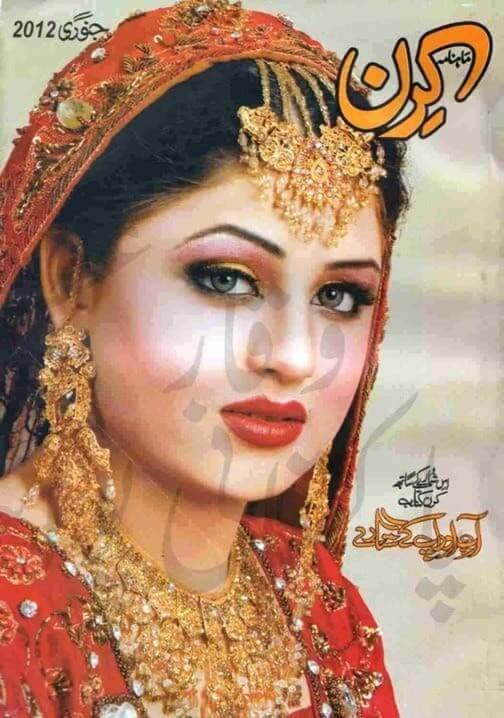
Analysis of the January 2012 New Year Issue
The January 2012 issue exemplifies the classic structure and high literary standard that readers expect from Kiran Digest. Being the first issue of the calendar year, the edition opens with a thoughtful editorial (Idariya) reflecting on time management, new beginnings, goal setting, and optimistic resolves for the new year. The issue begins with spiritual reverence through a deeply moving Hamd by Iqbal Azim and Naat-e-Rasool-e-Maqbool by Siraj-ud-Din Tanveer.
Diverse Storytelling: Novels, Novelettes, and Afsane
The hallmark of this edition is its strong fiction line-up. It features three complete romantic and social novels: O Re Piya by Nayab Jilani, Muqayyadar-e-Khak by Hooriya Sahar, and Mohabbat Dua Jaisi by Ayesha Nasir, each tackling themes of family bonds, sacrifices, emotional growth, and romantic relationships. Nabila Aziz’s ongoing episodic novel Dar-e-Dil adds depth to the edition, keeping long-term followers hooked on its serialized narrative.
In addition, four engaging novelettes and multiple short stories (Afsane) enrich the volume. Stories like Azm-e-Sal-e-Nau by Azmi Syed Iftikhar specifically resonate with the new year theme, urging readers to adopt moral integrity and personal development. Authors such as Riffat Khalid, Sundas Jabeen, Atia Mushtaq, and Saima Ahmed address pressing societal challenges, female empowerment, household dynamics, and interpersonal relationships through realistic, relatable characters.
Lifestyle, Culinary, and Reader Interactive Columns
Beyond fiction, Kiran Digest is widely praised for its interactive and lifestyle features. Regular features like Kiran Ka Dastar Khwan offer readers seasonal cooking recipes, while Husan-o-Sehat provides practical tips on health, skincare, and wellness. Light-hearted segments like Muskurati Kirnein and Nahle Pe Dehla provide humor, while reader-submission columns foster an interactive community where audiences share poetry, personal reflections, and feedback.
Kiran Digest January 2012 Index (Fehrist)
Hamd o Naat (حمد و نعت):
Hamd: Iqbal Azim
Naat: Siraj-ud-Din Tanveer
2. Articles & Special Sections (پیغام، انٹرویو اور دیگر):
Idariya (ادارہیہ): Editor
Geeton Ka Banjara: Bushra Rehman
Interview – Utre Meri Khak Pe: Iram Aftab
Neeha Se Mulaqat: Shaheen Rasheed
Ruk Kahan Bahar: Kiran Khan
Mujh Se Milne: Mehwish Iftikhar
3. Mukammal Novels (مکمل ناول):
O Re Piya: Nayab Jilani
Muqayyadar-e-Khak: Hooriya Sahar
Mohabbat Dua Jaisi: Ayesha Nasir
4. Serial Novel (سلسلے وار ناول):
Dar-e-Dil: Nabila Aziz
5. Novelettes (ناولٹ):
Taleem Yafta: Riffat Khalid
Shinakht: Sundas Jabeen
Zarb-e-Zameer: Zeb-un-Nisa
Meri Saas Buri Hain: Atia Mushtaq
6. Afsane (افسانے):
Sirat-e-Mustaqeem: Saima Ahmed
Azm-e-Sal-e-Nau: Azmi Syed Iftikhar
Mohabbat Gar Taba Hai: Hina Kausar Sardar
7. Mustaqil Silsile (مستقل سلسلے):
Kiran Kiran Khushboo: Shuaa Tanveer
Badole Ke Dekhe Se: Bushra Mahmood
Tujhe Sher Likhne Te: Shagufta Suleman
Muskurati Kirnein: Rehana Ahmed Bukhari
Kiran Ka Dastar Khwan: Khalida Jilani
Husan-o-Sehat: Idara
Nahle Pe Dehla: Zualqarnain
Name Se Mere Naam: Mudira Kiran
Conclusion
In summary, the January 2012 edition of Kiran Digest represents a complete package of entertainment, literary quality, and social reflection. It stands as a testament to the enduring charm of printed Urdu digests, offering timeless stories and valuable insights that continue to captivate readers who cherish traditional Urdu literature.