When an Emergency Marriage Outlasts Two Decades of Silence
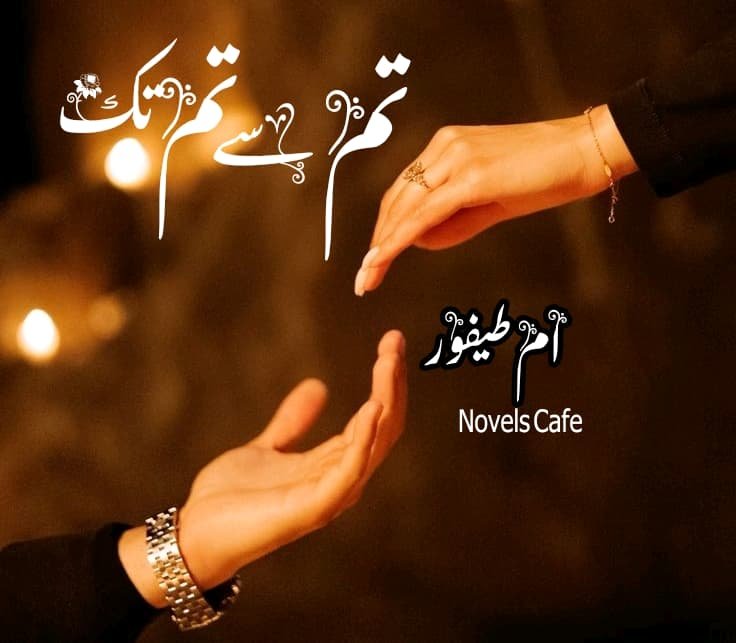
Some novels in Urdu digests ask what happens after a hasty marriage is signed. Tum Se Tum Tak by Umm e Taifoor, published in Shuaa Digest in May 2019 and running to 75 pages, asks something harder: what happens to two families once the door between them has been slammed shut, and how long can that door stay closed? The answer unfolds across years, and the novel is more interesting for it.
A University Girl Who Had to Fight for Her Place
The story opens not with the central couple but with the generation that came before them. That choice shapes everything that follows. The heroine is a university student who has already won a difficult battle just by being there, since her family needed considerable persuading before allowing her to pursue higher education. She wears the hijab, and the novel notes that another girl in her university group resents her, a small detail that quietly establishes how her campus life is not entirely easy either.
The hero’s side of the story is rooted in the same university. His father is remembered as a capable, intelligent former student of the institution, and his younger brother is studying there as well. The campus therefore works as more than a backdrop. It is the meeting point of two households whose lives overlap before they collide.
The Incident, the Hasty Nikah and the Break Between Two Homes
An unfortunate incident at the university sets the central event in motion. In response, the heroine’s family arranges an emergency marriage to the hero. Digest readers know this device well, but its weight depends on what the author does with the aftermath. Here, the marriage does not mend anything. Instead, it triggers a complete breakdown in relations between the two families.
That is the novel’s most distinctive choice. Rather than letting the marriage soften the conflict, Umme Taifoor lets it deepen the rift. The emergency marriage becomes the origin of a long bitterness, and the reader is made to feel that a decision taken under pressure can echo for decades. It also keeps the story from being a simple romance. The couple’s relationship exists inside a larger family wound, and neither can fully separate their private life from it.
Years Later: A Marriage, Two Children and a Cousin Who Lightens the Mood
The narrative then moves forward in time. The couple now have a son and a daughter, and the weight of old resentment has settled into the background of ordinary family life. This passage of time is where the novel earns much of its appeal. A reader who began with a tense, high-pressure situation is now watching its consequences mature, which is a more reflective and rewarding experience than a story that stays fixed in the crisis.
The next generation also brings new energy. The cousin who enters the story shares a very good friendship with the hero, and their dynamic is one of the novel’s pleasures. Playful mischief, teasing and well-placed hints run through their interactions, adding a light touch that offsets the heavier emotional material. These moments matter because they stop the book from becoming relentlessly sorrowful. The humour feels like a natural part of a close family rather than a decoration added for contrast.
The Hero Comes Home to Pakistan
The turning point arrives when the hero returns to Pakistan for the first time since the break. His purpose is clear: he wants to settle old grievances with his younger siblings and restore the closeness the family lost. This return gives the story its forward movement. Everything that was suspended by the original rupture now has a chance to be reopened, examined and, perhaps, repaired.
What makes this stage engaging is that the meetings and situations during his visit send the story in a new direction. The novel does not simply move toward a predictable reconciliation. Several twists arise along the way, and they keep the reader attentive even when the broad outline of a family reunion seems easy to guess. For a story of this length, that pacing is a real strength, since the time jump, the homecoming and the new developments all fit without feeling rushed.
What Makes the Reading Experience Worthwhile
Tum Se Tum Tak balances several moods at once. It carries sad and emotionally difficult events, particularly in the estrangement between the families, but it also gives space to affectionate, funny and lively family scenes. That mixture is what separates it from a purely tearful drama or a purely light romance. Readers who value stories centred on family relationships, where love is only one of the threads, will likely find it satisfying.
The structure also deserves credit. Beginning with the parents’ generation, moving through the emergency marriage and then jumping ahead to children and a returning hero gives the novel a sense of scope that is unusual for a digest story of 75 pages. The time frame lets old mistakes be seen from a distance, and it lets the reader understand how bitterness can persist long after its original cause has faded.
My own impression is that the novel succeeds because it respects both sides of family life: the hurt that lingers and the warmth that survives anyway. It offers several interesting twists along the way and, ultimately, a happy ending that feels earned by everything the families have been through. Readers who enjoy distinctive emergency marriage stories will find an engaging variation here.
Why the Ending Feels Like Coming Home
The closing chapters reward patience. After years of distance, the happy resolution is less about a sudden miracle and more about relatives finally being given the chance to meet each other again. That is why Tum Se Tum Tak lingers as a gentle, satisfying read: it reminds us that even the most abrupt decisions can eventually lead people back to one another.