Two Stubborn Hearts and Two Determined Grandmothers: Inside “Nikki Jaye Han”
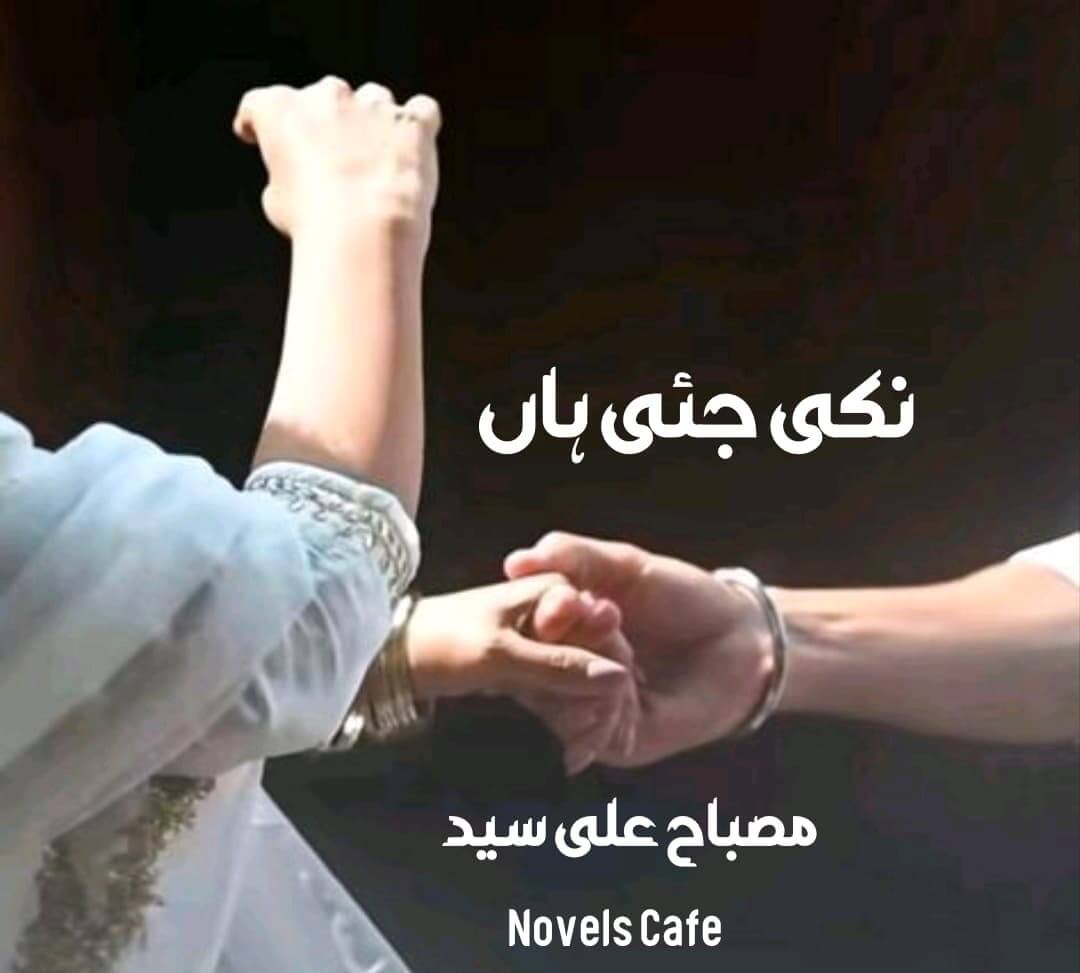
Short family fiction has a loyal readership in Urdu digest culture. These stories are brief enough to finish in an evening, light enough to leave a reader smiling, and often built around the family decisions that shape ordinary lives. “Nikki Jaye Han” by Misbah Ali Syed fits that tradition. It appeared in Shuaa Digest in January 2017 and runs to 30 pages. That is a compact canvas, and the story uses it for a cheerful, humor-tinged romance set against marriage arrangements.
A Compact Story with a Light Touch
The format shapes the reading experience. At 30 pages, the story has no room for sprawling subplots or generations of family history. It works with a small set of people and a single central situation: a marriage being arranged between two people who each have reasons to resist it.
The tone matters as much as the format. The story is described as a mix of light humor, romantic elements, and entertaining marriage-related situations, so the tension is meant to amuse rather than weigh on the reader. Readers who like romance without heavy melodrama will recognize the register. The story also has a happy ending, which settles any worry about how it resolves. The pleasure lies in watching events unfold, not in wondering how they will turn out.
Munem: A Doctor Who Isn’t Ready
The story’s first central figure is Munem, a doctor. Her parents have died, and she lives with her grandmother. That fact explains a good deal about the household. The grandmother is not just an elder in the background. She is Munem’s immediate family and the person closest to the decisions about her future.
It is that grandmother who has chosen a marriage proposal for Munem and hopes she will accept it. Munem is not ready for the decision. The story does not frame her hesitation as rebellion against her grandmother or as a rejection of marriage in general. She simply isn’t ready now. This is a fairly common situation in family-centered fiction: a young woman with a profession and a mind of her own, and an older relative who wants to see her settled.
Her profession adds some quiet texture. A doctor has a demanding career and a life of her own, which makes the grandmother’s urgency stand out. The two women may love each other equally and still disagree about timing.
Fahad Mirrors Her Situation
Fahad, the other central character, has a background that echoes Munem’s. He has lost his parents too, and he lives with his grandmother. The parallel is easy to notice and useful to think about. Both young people have been raised, or at least are now being looked after, by a grandmother, and both are tied to an older relative whose hopes for them carry real weight.
This symmetry makes the match feel natural rather than random, and it helps explain how the two households come to consider each other. It also sets up the comedy. Two grandmothers with similar aims, and two grandchildren with similar circumstances, make for a situation where everyone understands each other’s position, even as they disagree about what should happen.
The Grandmothers Take the Lead
The story’s engine is the arrangement of a relationship between Munem and Fahad by both grandmothers. The story presents this as joint effort, not one elder’s scheme. The grandmothers are not rivals or opponents in a family feud. They are on the same side, and their shared goal is bringing these two together.
That detail gives the story a warm center. In many marriage stories the older generation is an obstacle. Here, the grandmothers are better described as matchmakers, and their involvement reflects how much weight family relationships carry in decisions about marriage. The story takes that world seriously while still finding it funny.
The available information does not say how the grandmothers go about this, so it is best to leave those mechanics to the story itself. What matters is the shape of the situation: two elders, two grandchildren, and an arrangement set in motion.
An Interesting Complication
A match arranged by two like-minded grandmothers would be a pleasant but flat setup on its own. What gives the story its tension is that Fahad already likes another girl. This complicates the proposed marriage in an obvious way: one of the two people being brought together has feelings pointing elsewhere.
It would be a mistake to assume more than the story tells us. There is no basis for saying how quickly, or whether in any particular manner, Fahad’s feelings change, or how Munem and Fahad come to see each other. What can be said is that the complication gives the arrangement real stakes. Munem isn’t ready, Fahad has his own attachment, and the grandmothers are determined. That is a good deal of friction for a 30-page story, and it explains why the story is billed as entertaining.
Two Stubborn Personalities
Both Munem and Fahad are described as somewhat stubborn. That one trait does a lot of work. Two stubborn people thrown together by family design tend to produce exactly the kind of friction that fuels light romantic fiction: neither wants to give in first, and every interaction becomes a small contest.
Stubbornness also fits the story’s humor. It is a flaw that is more endearing than damaging, the kind of trait readers forgive easily and even enjoy. It also suggests that the central relationship will not be built on instant agreement. Whatever happens between Munem and Fahad, it takes place between two people who do not yield easily, and that is where much of the story’s energy seems to come from.
Why the Story Works as Light Reading
“Nikki Jaye Han” speaks to readers who want something warm and quick. Its themes are familiar but durable: family loyalty, the pressure and affection behind marriage decisions, the comfort of humor in difficult circumstances, and the emotional warmth of households held together by elders. The loss of parents is part of both characters’ backgrounds, yet the story is described as cheerful, so that history shapes the setting without defining the mood.
For anyone who enjoys digest-style fiction, the appeal is clear. The story is short, the characters are easy to place, and the central question of how a reluctant doctor, a stubborn young man, and two determined grandmothers will sort things out is simple enough to hold attention. The happy ending gives readers a satisfying sense of closure.
When Grandmothers Know Best, and Grandchildren Disagree
What lingers about this story is the balance it strikes. It respects the grandmothers’ care while letting the grandchildren have their own stubborn minds. It treats marriage as a family matter without pretending that the people involved have no say. And it keeps all of this light, which is no small thing for a story that begins with two young people who have lost their parents.
As a short piece published in Shuaa Digest in January 2017, “Nikki Jaye Han” by Misbah Ali Syed does not need to be more than it is. It offers a pleasant hour of humor, romance, and family feeling, and it ends the way a story like this should: happily.